
When a situation shifts from routine to high-risk in seconds, a vehicle can’t be “standard.” It has to protect officers, support tactical movement, and stay reliable under pressure, because in critical moments, the vehicle isn’t just transport. It’s part of the operation.
That’s why law enforcement vehicles built for high-risk environments exist: to help teams approach threats with confidence, move safely through hostile areas, and maintain control when conditions are unpredictable. Whether it’s escort duty, rapid response, tactical deployment, or securing sensitive routes, the right platform reduces hesitation and increases operational readiness.
If your department or security unit is evaluating upgrades, here’s what modern law enforcement vehicles are designed for.
>> Explore armoured SUVs for rapid-response and tactical mobility.
What Makes Law Enforcement Vehicles Different?
A regular vehicle is built for mobility. A high-risk law enforcement vehicle is built for risk management. It’s designed to protect personnel while still performing like a vehicle should including, stable handling, dependable braking, usable space, and real-world practicality. The goal is simple: increase survivability and decision speed without sacrificing operational movement.
Where These Vehicles Are Typically Used
High-risk vehicles are most valuable when teams may face direct confrontation or uncertain terrain and routes. That includes tactical response deployments, high-threat patrols, convoy escort operations, and secure transport of personnel or sensitive assets.
Even when the mission isn’t “combat,” the environment can still be unpredictable, especially when routes, crowd behavior, or threat levels can change quickly. A protected platform helps the team stay focused on the mission instead of worrying about exposure.
>> Explore AAT ArmourTech’s full armoured solutions range.
What To Look For in a High-Risk Law Enforcement Vehicle
Protection that matches the mission
Protection shouldn’t be random or generic. A proper build focuses on safeguarding the passenger cell, reinforcing key structural areas, and using ballistic glass and armouring designed for real operational risk. The key is getting the right level for your use case. It should be strong enough for threat conditions, but balanced so the vehicle remains practical in daily deployment.
Mobility that still feels confident
Armouring adds weight. That means a capable setup must account for performance including suspension tuning, braking stability, and overall handling should remain reliable even when the vehicle is loaded with gear and personnel. If a vehicle feels heavy and slow to respond, it can become a liability in emergency movement.
An interior built for operations, not just comfort
High-risk deployments require practical space. Team seating, equipment room, clear visibility, and communication readiness matter more than luxury. A vehicle should support the way officers actually work: quick entry/exit, manageable storage, and a layout that doesn’t restrict movement or awareness.
Presence: discreet or authoritative
Some units need low-profile protection that blends in. Others need visible authority and unmistakable enforcement presence. Your build should match the assignment, especially for escort and sensitive transport where discretion can reduce escalation.
Reliability and serviceability
A vehicle that’s difficult to maintain quickly becomes downtime, and downtime is an operational weakness. A strong solution prioritizes dependable systems and practical servicing so the fleet stays active, not parked.
>> Related Post: Military Vehicles vs Civilian Armoured Vehicles: Key Differences Explained
Choosing the right platform: SUV, sedan, or specialized LE build?
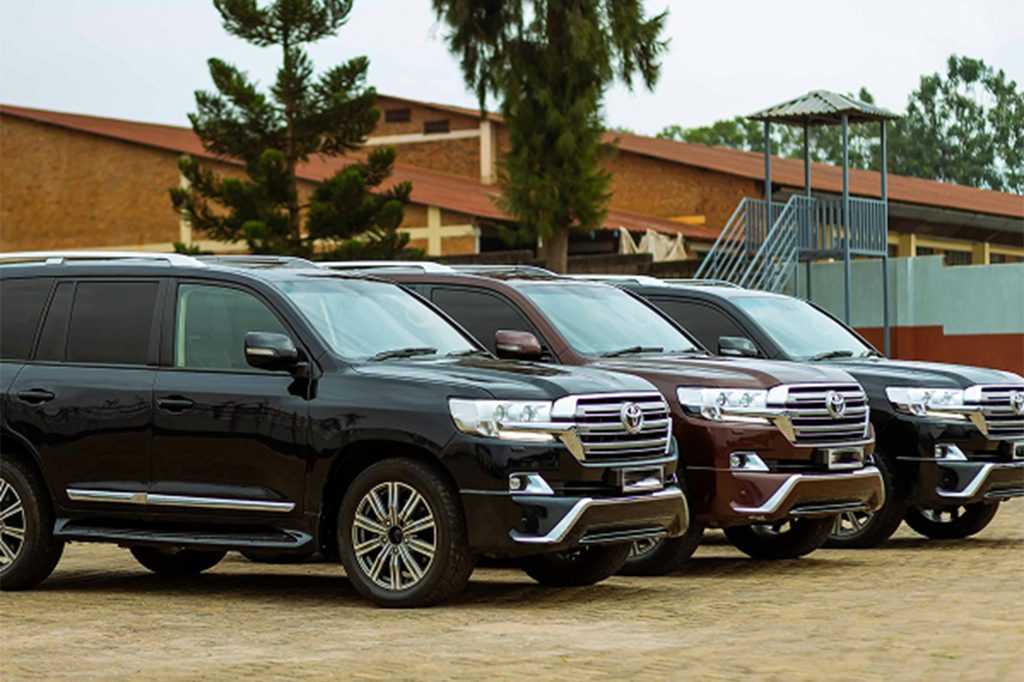
Armoured SUVs are often the most versatile option. They’re ideal for teams, mixed deployments, and operations that require space and presence. If you need a platform that can serve tactical mobility and secure transport in one package, this is typically the starting point.
Armoured sedans are better when discretion matters—plain-clothes movement, executive protection, and low-signature operations. They still provide protection but with a more subtle profile and city-friendly handling.
>> Choose a discreet armoured sedan for secure escort and VIP movement
For departments looking for configurations aligned specifically with enforcement needs and higher-risk workflows, a dedicated category helps narrow the fit and define options more clearly.
Why Choose AAT ArmourTech For Your Law Enforcement Vehicles?
AAT ArmourTech focuses on protective mobility solutions designed for operational environments where safety and performance have to work together. Whether you need a discreet sedan, a versatile SUV, or specialized law enforcement vehicles for high-risk operations, the goal is the same: build protection that supports real missions, not showroom specs.
FAQs
1) Are law enforcement vehicles only for tactical units?
Not at all. They’re also used for escort missions, secure transport, high-threat patrols, and sensitive assignments where protection reduces risk.
2) What’s better: an armoured SUV or an armoured sedan?
SUVs are best for versatility, teams, and mixed deployments. Sedans are ideal when discretion and a low-profile presence matter most.
3) Do armoured guard posts really help?
Yes—especially at checkpoints and sensitive sites. They reduce exposure for personnel and improve command control in fixed positions.