
Most buyers assume military grade armour and civilian armour are just different versions of the same protection. That assumption gets people into trouble. The two are built to different rulebooks, tested against different threats, and designed for entirely different operating environments.
Understanding military grade armour vs civilian armour matters before you sign off on a build. It affects weight, cost, mobility, and whether the vehicle actually matches the threat you are trying to survive. This guide breaks down the real differences so you know exactly what you are paying for.
>>Related Post: Military Vehicles vs Civilian Armoured Vehicles: Key Differences Explained
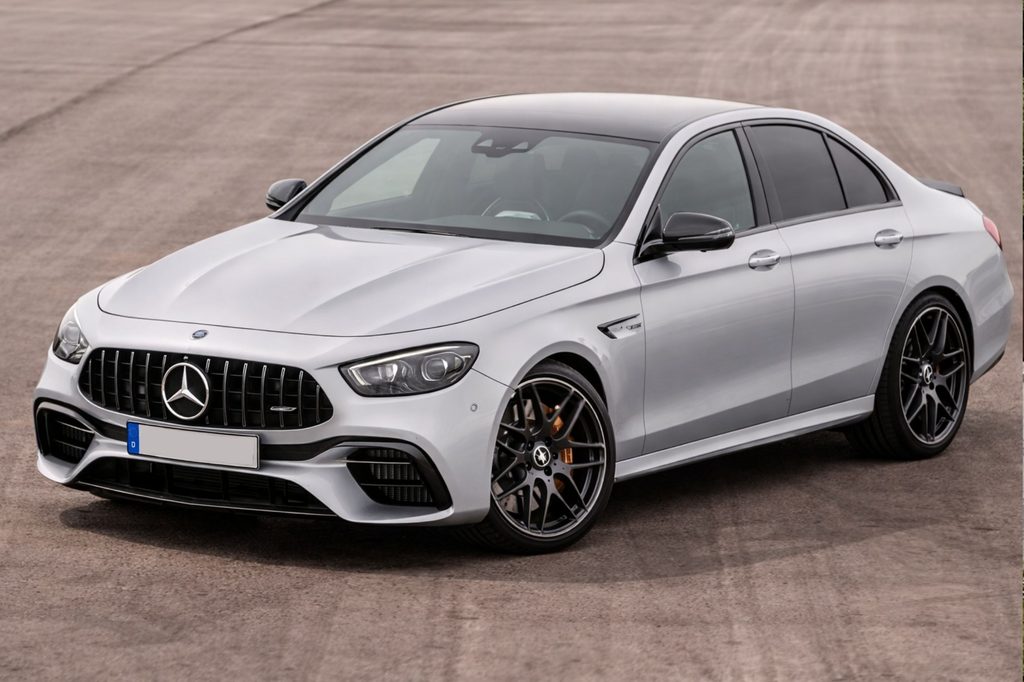
Military Grade Armour vs Civilian Armour: Armour Standards Explained
The phrase military grade gets used loosely in marketing, but it has a specific technical meaning. It refers to armour tested and certified against battlefield munitions, blast threats, and sustained combat conditions. Civilian armour is tested against a narrower, more predictable set of threats tied to street crime and targeted attacks.
What Military Grade Armour Actually Means
Military grade armour is engineered for vehicles operating in active conflict zones. It accounts for artillery fragments, landmines, and improvised explosive devices in addition to small arms fire. The insight partners projects the military vehicle market will grow from USD 35.36 billion in 2025 to USD 68.79 billion by 2034, reflecting sustained defense procurement worldwide.
What Civilian Armour Actually Means
Civilian armour protects against handguns, rifles, and in some cases forced entry attempts. It is not designed to withstand sustained combat or explosive ordnance. The goal is occupant survival during an ambush or robbery attempt, not battlefield endurance over extended deployments.
Why the Two Are Built to Different Rules
A vehicle built to military specifications carries far more weight than a civilian equivalent. That weight changes everything from suspension geometry to fuel consumption. Civilian armoured suvs are engineered to stay closer to factory performance, since daily drivability matters more than combat endurance.
>>Related Post: 7 Factors That Make a Vehicle Truly Bullet Proof
STANAG vs CEN Armour: How Military and Civilian Armoured Vehicles Are Tested
The STANAG vs CEN armour question comes up constantly, and the confusion is understandable. Both are internationally recognized testing frameworks, but they exist to answer different questions about a vehicle’s protection.
STANAG 4569 and Military Armoured Vehicles
STANAG 4569 is the NATO standard used to rate military armoured vehicles. According to mehler protection, the standard assigns vehicles to one of six levels of protection against kinetic energy threats and artillery fire.
What STANAG Levels Actually Test
STANAG testing covers ballistic penetration, blast resistance from mines, and fragmentation from artillery. It requires that more than 90 percent of the passenger compartment stay protected under the assigned threat level. This is why STANAG-rated builds are heavier and more expensive than civilian ones.
CEN 1063 and Civilian Armoured Vehicles
CEN 1063 is the European standard most commonly applied to civilian armoured vehicles. It rates ballistic glass and panels against specific firearm calibers, from handguns up to high-powered rifles. Most executive and personal protection vehicles in Pakistan, including those built by AAT ArmourTech, are certified under this framework.
What CEN Ratings Actually Test
CEN testing focuses purely on ballistic resistance rather than blast or artillery threats. A B6 rating confirms the vehicle stops high-powered rifle rounds, while B7 extends that protection to armor-piercing ammunition. Neither rating accounts for landmines or IED blasts, which is why blast protection has to be requested separately.
Where the Two Standards Overlap
Some civilian builds borrow elements from military standards, particularly underbody blast protection for high-risk regions. This hybrid approach is common in law enforcement and government fleets operating outside conventional urban environments. It allows a civilian platform to handle threats closer to a military operating environment without the full weight penalty of a STANAG build.
>>Not sure which standard actually fits your risk profile? Talk to AAT ArmourTech before you commit to a build.
Choosing Between Military Grade Armour vs Civilian Armour for Your Situation
The right choice between military grade armour vs civilian armour comes down to the threats you actually face, not the ones that sound impressive. Overbuilding wastes money and compromises drivability. Underbuilding leaves you exposed when it matters most.
When Military Grade Protection Makes Sense
Military grade builds make sense for operators working in active conflict zones or regions with a real IED threat. Peacekeeping missions, NGOs in unstable territories, and government convoys operating outside city limits typically need this level of protection. The tradeoff is weight, cost, and reduced everyday usability.
When Civilian Armoured Vehicles Are the Better Fit
For executives, diplomats, and corporate security teams operating in urban environments, civilian armoured vehicles are usually the smarter choice. According to verified market reports, the civilian armored vehicle market is projected to grow from USD 12.3 billion in 2024 to USD 20.1 billion by 2033, driven largely by rising personal security demand. These vehicles prioritize discretion, comfort, and daily drivability alongside protection.
How AAT ArmourTech Builds Around These Standards
AAT ArmourTech builds every vehicle in-house at its Islamabad facility, matching protection levels to the client’s actual operating environment. Whether the requirement is a CEN-certified armoured sedan for executive travel or a law enforcement vehicle built for tactical response, the engineering process starts with the threat, not the sales pitch. Every build carries full documentation so buyers know exactly which standard their vehicle meets. Clients working in higher-risk regions can also review the cash-in-transit vehicles lineup for platforms built around sustained, repeated exposure.
>>Still deciding between military grade and civilian protection? Get a threat-matched recommendation from AAT ArmourTech before you order.
FAQs
1. What is the main difference between military grade armour vs civilian armour?
Military grade armour is tested against combat threats like artillery fragments and IEDs, while civilian armour is tested against firearms encountered in street-level attacks. Military builds are heavier and carry blast protection as standard, while civilian builds prioritize drivability alongside ballistic resistance.
2. What does STANAG vs CEN armour actually mean in practice?
STANAG 4569 is the NATO standard used for military vehicles and covers both ballistic and blast threats. CEN 1063 is the European standard typically used for civilian vehicles and focuses purely on ballistic resistance from firearms.
3. Can a civilian vehicle be built to military armoured vehicle standards?
Yes, but it significantly increases weight, cost, and build time. Most civilian buyers do not need this level of protection, since their operating environment does not include combat level threats.
4. Is civilian armour weaker than military armour?
Not necessarily weaker, just designed for different threats. A CEN B7 rated civilian vehicle can stop armor piercing rifle rounds just as effectively as many military rated builds, but it will not survive an IED blast the way a STANAG rated vehicle can.
5. Why do civilian armoured vehicles avoid blast protection by default?
Blast protection adds substantial weight and cost that most civilian users do not need. It is typically reserved for clients operating in conflict zones or high risk border regions where landmines or IEDs are a genuine concern.
6. How do I know which protection level my vehicle actually needs?
Start with an honest assessment of your operating environment and the threats specific to it. A certified supplier can help match your requirements to the correct standard instead of overselling unnecessary protection.
7. Does military grade armour affect a vehicle’s daily usability?
Yes, significantly. The added weight from blast protection and thicker armour panels affects fuel efficiency, braking distance, and handling, which is why most civilian users choose lighter CEN rated builds instead.
8. Are armour standards like STANAG and CEN internationally recognized?
Yes, both are widely recognized testing frameworks used by manufacturers and buyers globally. Certification under either standard confirms the vehicle has been independently tested rather than just marketed as protected.
9. What industries typically require military grade armoured vehicles?
Government convoys, peacekeeping operations, and NGOs working in active conflict zones are the primary users of military grade builds. Most corporate and personal security clients do not need this level of protection.
10. Where can I get a vehicle certified to the right armour standard for my needs?
Specialized manufacturers with in-house engineering and documented certification, like AAT ArmourTech, can assess your operating environment and recommend the correct standard. Always request test logs and certification records before committing to a build.