
Pakistan continues to face serious, documented security challenges across its major cities and high-risk regions. For corporate leaders, diplomats, NGO field teams, and high-value individuals moving through these environments, bullet proof vehicles for transport in Pakistan are not a luxury, they are the difference between making it to your next meeting and not making it at all.
This guide breaks down why armoured executive transport matters in 2026, what your vehicle actually needs to have, and how to make the right call before it is too late.
>> Related Post: Need for Armoured Sedans for Discreet Executive Protection in Pakistan
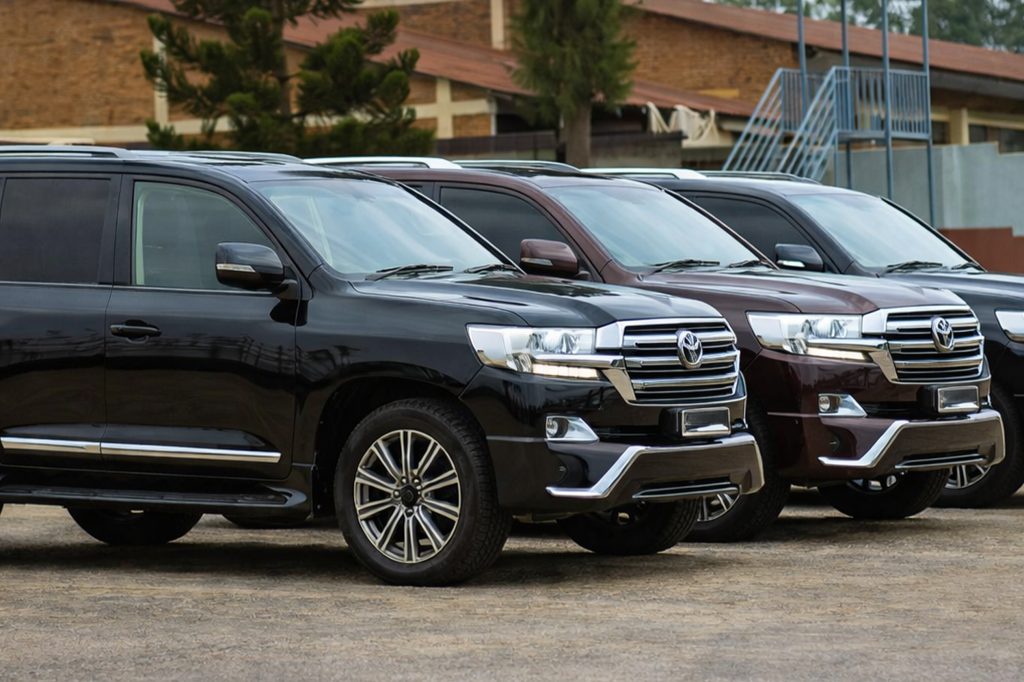
Why Bullet Proof Vehicles for Transport in Pakistan Are No Longer Optional for High-Risk Executives
The Threat Landscape Has Shifted Permanently
A few years ago, armoured transport was seen as something reserved for generals and government ministers. That era is over. Today, corporate executives, senior managers, foreign nationals, and even private individuals operating in cities like Karachi, Lahore, and Islamabad are factoring armoured transport into their daily security plans and with good reason.
According to the Global Terrorism Index 2026, Pakistan has been ranked as the most terrorism-impacted country in the world for the first time, with 1,139 deaths and 1,045 incidents recorded in 2025; the highest levels seen since 2013, and part of a six-fold increase in terror activity since 2020. Islamabad may have more checkpoints, but it is not immune. Karachi remains one of the highest-risk urban environments in the region.
Why Corporate Pakistan Is Taking This Seriously
The shift in mindset is not just anecdotal. Global market data reflects the surge in demand for civilian armoured transport. According to Mordor Intelligence, the global armoured vehicle market is valued at USD 32.12 billion in 2026 and is projected to reach USD 42.18 billion by 2031, growing at a 5.6% CAGR. A significant and growing portion of that demand is civilian and corporate, not military.
For any organization sending executives into Pakistan’s field environments, putting them in a standard vehicle is not a calculated risk. It is negligence dressed up as cost-cutting.
>> Is your executive transport fleet equipped for Pakistan’s real security environment? Talk to AAT ArmourTech todayand get a protection assessment before your next operation.
What Bullet Proof Vehicles for High-Risk Transport in Pakistan Actually Need to Have
Not all armoured vehicles are created equal. A vehicle that looks protected and a vehicle that performs under fire are two entirely different things. Here is what separates a properly engineered executive transport vehicle from one that will let you down when it counts.
Protection Ratings: What B6 and B7 Actually Mean
B6: The Corporate Standard
B6 protection stops high-powered rifle fire. For most private sector executives, corporate security teams, and NGO field staff operating in Pakistan’s urban and inter-city environments, B6 is the minimum acceptable standard. If a supplier cannot confirm certified B6 compliance with documentation, walk away.
B7: For High-Profile and Government Use
B7 goes further, offering resistance against armour-piercing rounds. This level is typically reserved for government officials, diplomats, and military adjacents operating in the highest-threat scenarios. Most corporate transport does not require B7, but for those who do, the build complexity and cost increase considerably.
The Five Features Every Armoured Executive Vehicle Must Have
1. Run-Flat Tire System
In a threatening situation, losing a tire means losing mobility, and losing mobility can cost you your life. A proper run-flat system in armoured vehicles keeps the vehicle moving at operational speed even after tire damage. This is non-negotiable for high-risk transport in Pakistan, particularly for inter-city routes.
2. Reinforced Suspension
Armour adds significant weight. Without a properly upgraded suspension system for armoured vehicles, that weight compromises handling, increases wear, and creates real safety risks. A vehicle that handles badly under normal conditions will be uncontrollable in an emergency.
3. Upgraded Brake System
More weight means longer stopping distances, unless the braking system is upgraded to match. The brake system for armoured vehicles is not the factory-standard setup. It is engineered specifically to compensate for the additional mass and maintain reliable stopping power.
4. Multi-Layer Bulletproof Glass
All windows, not just the windscreen. Multi-hit resistant ballistic glass across every pane is what separates a certified build from a cosmetic one. The glass must hold under repeated fire without shattering and without blocking sight lines. You can explore the full range of ballistic-related products and materials that go into a properly certified build.
5. Surveillance and GPS Tracking
Real-time route monitoring and communication systems allow security teams to track movement, identify threats ahead of time, and coordinate rapid response. In Pakistan’s urban environments especially, situational awareness before a threat materializes is far more valuable than reacting after one does.
According to Market Research Future, the armoured civilian vehicles market is projected to grow from USD 3.9 billion in 2025 to USD 7.33 billion by 2035, driven by rising demand from corporate, diplomatic, and private clients. The investment trend is going in one direction only.
>> Related Post: Run Flat System in Armoured Vehicles: Why It’s Non-Negotiable
Choosing the Right Bullet Proof Vehicle for High-Risk Transport in Pakistan
This is where most buyers get it wrong. They pick a vehicle based on what looks impressive rather than what the actual mission requires. Here is how to think about it properly.
Armoured Sedans vs Armoured SUVs: Which One Is Right for You?
Armoured Sedans
An armoured sedan is the gold standard for urban executive transport in Pakistan. It blends into traffic. It does not signal that a high-value target is inside. For daily commutes through Karachi or Lahore, this operational discretion is worth more than you might think.
Armoured SUVs
Armoured SUVs offer higher ground clearance, greater passenger capacity, and stronger overall protection capacity. They are the right call for convoy operations, inter-city runs, and environments where terrain demands more than a sedan can handle. The Toyota Land Cruiser and Prado are the most widely used platforms in Pakistan for good reason, they are built for punishment.
Armoured Pickup Trucks
For NGOs, security teams, and anyone operating in remote or volatile terrain, armoured pickup trucks offer the best combination of rugged capability and certified ballistic protection. They carry equipment, accommodate crew, and handle conditions that would stop a sedan or SUV in its tracks.
>> Related Post: Armoured Upgrades for Toyota Hilux in Pakistan: What You Need to Know
Why AAT ArmourTech Is the Name Pakistan’s High-Risk Transport Operations Trust
When it comes to bullet proof vehicles for transport in Pakistan, the supplier behind the build matters as much as the vehicle itself. AAT ArmourTech stands out because every vehicle is built entirely in-house at their Islamabad facility. One team handles everything from start to finish, which means there are no third parties involved and no gaps in accountability. This ensures that every detail is done right and nothing is left to chance.
Each vehicle is built to internationally recognized ballistic standards, with certified protection levels going up to B7. More importantly, every build comes with proper documentation including test reports and certifications, so there is complete clarity on what the vehicle is capable of. This level of transparency gives confidence to procurement teams, security heads, and private clients who cannot afford uncertainty.
From armoured sedans for discreet executive travel to law enforcement vehicles built for high-risk operations, and cash-in-transit vehicles for financial institutions, every platform can be customized based on real operational needs. Protection level, run-flat systems, surveillance, suspension, and interior setup are all adjusted according to what the situation actually demands.
The relationship does not end at delivery. AAT ArmourTech’s after-sale service ensures that every vehicle continues to perform over time through maintenance, repairs, and long-term support. In high-risk environments, that kind of reliability is not optional, it is essential.
>> Your safety should never be left to chance. Contact AAT ArmourTech todaya nd get a vehicle built for your exact threat environment.
FAQs: Bullet Proof Vehicles for High-Risk Executive Transport in Pakistan
1. Are bullet proof vehicles for transport in Pakistan legal for private use?
Yes, armoured vehicles are legal for private use in Pakistan. However, importing one usually requires approval from the Ministry of Interior. Working with a local manufacturer like AAT ArmourTech simplifies the process, as in-country builds avoid most regulatory complications.
2. What is the difference between B6 and B7 protection in a bullet proof vehicle?
B6 is the standard for corporate and executive use, designed to stop high-powered rifle rounds like 7.62mm. B7 offers higher protection, including resistance against armour-piercing ammunition, and is typically used for government or extreme threat environments. For most use cases in Pakistan, B6 is the practical choice.
3. How much does a bullet proof vehicle for transport in Pakistan cost?
Cost depends on the base vehicle, protection level, and added features such as run-flat systems, surveillance, and suspension upgrades. A B6 sedan will cost significantly less than a fully equipped B7 SUV. The most accurate way to estimate is to consult AAT ArmourTech based on your requirements.
4. How long does it take to armour a vehicle for high-risk transport in Pakistan?
A standard build takes around four to eight weeks. More advanced configurations, such as blast protection or custom interiors, can extend timelines. Urgent requirements should always be discussed upfront.
5. Can a bullet proof vehicle blend into normal traffic in Pakistan?
Yes. Armoured sedans are specifically designed to look like regular vehicles while offering full protection, making them ideal for urban movement. SUVs are more visible but provide better capacity and performance for inter-city and high-risk routes.
6. What makes a bullet proof vehicle supplier in Pakistan reliable?
A trustworthy supplier provides certified materials, full documentation, in-house manufacturing, and clear build transparency. If a supplier cannot show test reports or relies on outsourcing, it is a serious red flag.
7. Is blast protection the same as ballistic protection?
No. Ballistic protection (B6, B7) protects against gunfire, while blast protection is designed for explosions and is rated separately. For most urban and corporate use in Pakistan, ballistic protection is the primary requirement.
8. What maintenance do armoured vehicles require?
Armoured vehicles need specialized maintenance due to added weight and upgraded systems. Components like suspension, brakes, and run-flat tires require expert handling, which is why working with a supplier offering after-sale support is critical.
9. Which vehicles are best for bullet proof transport in Pakistan?
The Toyota Land Cruiser and Prado are ideal for convoy and long-distance travel. Sedans like Camry and BMW are best for discreet urban movement. The Hilux is widely used for field operations and challenging terrain.
10. Why choose a local armoured vehicle manufacturer instead of importing?
Local manufacturing reduces delays, simplifies approvals, lowers costs, and ensures access to maintenance. It also provides accountability, as you can directly engage with the builder. AAT ArmourTech’s in-house process ensures full control from build to long-term support.