
Most people assume a bulletproof car is just a regular vehicle with thicker windows and some extra metal bolted on. That assumption is one of the most common mistakes buyers make, and it usually surfaces only after a vehicle fails when it matters most. What makes a car bulletproof has very little to do with appearance and everything to do with engineering, certified materials, and a build process that treats every layer of protection as part of one connected system.
For buyers in Pakistan, where security concerns range from armed robbery to targeted threats against executives and officials, understanding this process is not optional homework. It is the difference between a vehicle that performs under fire and one that only looks like it would.
>>Related Post: B6 vs B7 Armouring: Which Protection Do You Need?
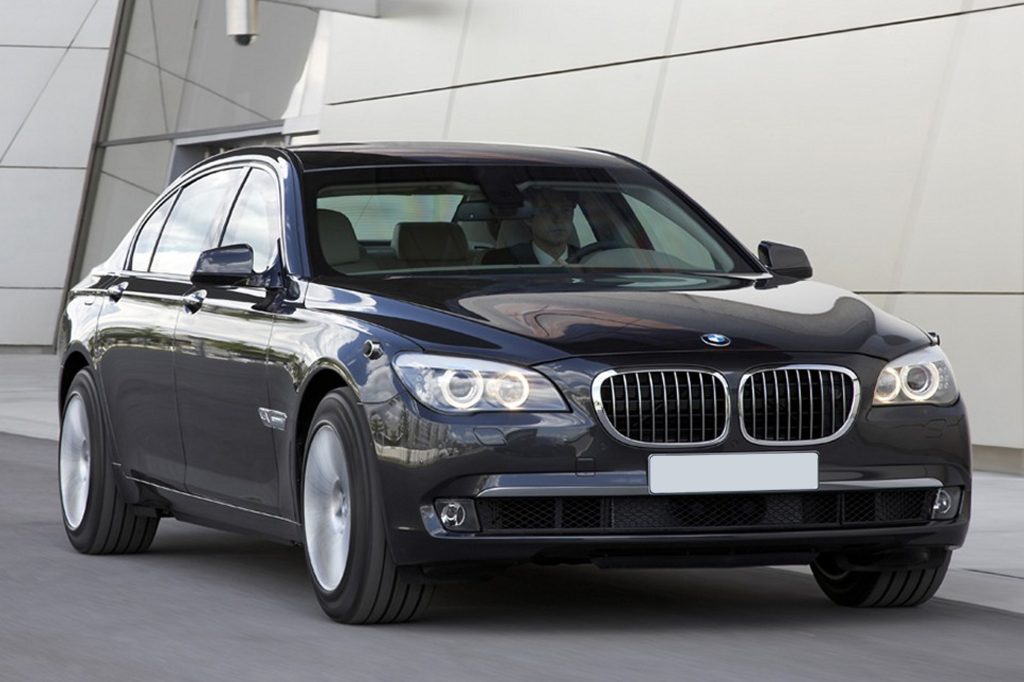
What Makes up a Bulletproof Car? The Role of Ballistic Glass and Armoured Steel
A bulletproof car is built around two core components working together. Neither one can do the job alone, and a vehicle is only as strong as the weaker of the two. This is why credible manufacturers treat glass and steel as a single integrated system rather than separate upgrades added on top of a standard car.
Ballistic Glass: The First Layer of Protection
Ballistic glass is made of multiple laminated layers, usually combining glass with polycarbonate, that absorb and disperse the energy of a bullet instead of letting it pass through. The number of layers and their thickness determine the protection level, which is why a windshield rated for handgun rounds looks nothing like one built to stop a high-powered rifle. Quality matters as much as thickness, since poorly bonded layers can delaminate after repeated impact even if they pass an initial test.
The automotive and VIP vehicle segment is one of the fastest growing parts of this industry. According to Mordor Intelligence, the global bulletproof glass market was valued at USD 10.45 billion in 2025 and is projected to reach USD 16.12 billion by 2030, reflecting how seriously both governments and private buyers are taking transparent armour today.
Armoured Steel: Built to Stop What Glass Cannot
While glass protects visibility points, armoured steel protects the body panels, doors, and structural frame. This steel is significantly harder than the mild steel used in standard vehicle manufacturing, and it is engineered to flex and absorb impact rather than crack. The steel also has to be shaped and welded without losing its ballistic rating, which is a far more delicate process than simply adding heavier sheets of metal.
The wider ballistic-related products category, including reinforced doors, floor plating, and fuel tank protection, is what separates a properly armoured vehicle from one that only has bulletproof windows. Fortune Business Insights reported that the global armored vehicle market grew from USD 23.73 billion in 2024 and is projected to reach USD 37.85 billion by 2032, driven largely by demand for these integrated protection systems rather than standalone parts.
>>Related Post: Run Flat Tyres for Armoured Vehicles
How Bulletproof Cars Are Made: The Armouring Process Explained
Understanding how bulletproof cars are made clears up a lot of confusion about pricing, timelines, and why two vehicles with the same protection rating can perform very differently. The process is sequential, and skipping or rushing any stage compromises everything built after it.
A professional armouring build generally follows these stages.
- Structural assessment and stripping, where the vehicle is broken down to its frame so engineers can plan exactly where reinforcement is needed
- Installation of certified armoured steel panels into the doors, pillars, and firewall
- Fitting of ballistic glass across all windows, cut and sealed to match the vehicle’s original frame tolerances
- Upgrades to suspension, braking, and tyres to compensate for the significant added weight
Suspension, Brakes, and Run Flat Systems
Armouring can add several hundred kilograms to a vehicle, which means the factory suspension and brakes are no longer sufficient. Reinforced suspension components and upgraded braking systems are installed to maintain handling and stopping power under the new weight. Run flat tyre systems are also fitted at this stage so the vehicle can keep moving even after a tyre is hit, which is often the difference between escaping a threat and being stranded in one.
Testing Before Delivery
A vehicle is not finished once assembly is complete. Reputable manufacturers conduct ballistic testing on the materials used, not just the design, to confirm the build actually meets its stated protection level before it ever reaches a client. Skipping this step is one of the biggest red flags in the industry, since a vehicle that has not been independently tested is essentially a guess dressed up as a guarantee.
>>Speak with AAT ArmourTech to discuss a custom armouring build for your exact threat profile.
What Makes a Car Bulletproof Enough for Pakistani Roads
Protection requirements in Pakistan are shaped by a specific mix of urban crime, targeted threats against public figures, and operational use in remote or high risk regions. What counts as sufficient protection for a private client in Lahore is often very different from what a law enforcement unit needs on patrol. This is why a one size fits all approach to armouring rarely works here.
Choosing the Right Protection Level
Most civilian and corporate buyers in Pakistan are well served by B6 level protection, which is built to stop high powered rifle rounds and covers the vast majority of real world threats. Government convoys, certain law enforcement vehicles, and operations in higher conflict zones may require B7 protection or additional underbody blast resistance. The right level depends on an honest assessment of the threat environment, not on assumptions or budget alone.
Why In-House Armouring Matters
A vehicle built entirely under one roof, from structural work to final glass fitting, gives a manufacturer full control over quality at every stage. When parts of the process are outsourced to third party shops, it becomes much harder to guarantee that the steel, the glass, and the suspension work were all integrated to the same standard. For a build where lives depend on the outcome, that gap in accountability is not a risk worth taking.
Vehicles like armoured SUVs and armoured pickup trucks are particularly popular in Pakistan because they combine strong protection with the mobility needed on inconsistent road conditions. Law enforcement vehicles and cash-in-transit vehicles follow similar principles but are built around mission specific requirements rather than everyday comfort.
>>Related Post: Bulletproof Hilux Double Cabin: The Ultimate Tactical Pickup for Pakistan
Why AAT ArmourTech Builds Cars That Are Truly Bulletproof
At AAT ArmourTech, every vehicle is armoured entirely in-house at the company’s Islamabad facility, with one team responsible for everything from structural reinforcement to final ballistic glass fitting. This approach removes the accountability gaps that come with outsourced work and ensures that every component, from armoured steel to glass to suspension, is built to the same verified standard. Every build is backed by ballistic testing and a full documentation pack, so clients are never left guessing about what they are actually driving.
Beyond the build itself, AAT ArmourTech supports every vehicle with a dedicated after-sale service program, covering maintenance, repairs, and long-term reliability once the vehicle is on the road. Learn more about the team and standards behind every build on the About Us page, or explore the full range of platforms available through AAT ArmourTech.
>>Your protection should never be left to guesswork. Contact AAT ArmourTech today and get a vehicle engineered for your exact threat level.
FAQs: What Makes a Car Truly Bulletproof?
1. What makes a car bulletproof?
A car becomes bulletproof through a combination of certified ballistic glass and armoured steel installed throughout the body, frame, and windows. These materials work together to absorb and stop bullet impact, and the vehicle’s suspension, brakes, and tyres are also upgraded to handle the added weight without losing performance.
2. Is any car actually 100 percent bulletproof?
No vehicle is completely immune to every possible threat, which is why the industry uses the term bullet resistant rather than fully bulletproof. Vehicles are rated against specific protection levels, meaning they are certified to stop defined types of ammunition rather than every conceivable weapon.
3. What is the difference between ballistic glass and regular tempered glass?
Ballistic glass is made of multiple bonded layers of glass and polycarbonate designed to absorb and disperse the energy of a bullet without shattering through. Regular tempered glass is designed only to break safely on impact and offers no resistance to ballistic threats at all.
4. How thick does armoured steel need to be to stop a bullet?
Thickness depends on the protection level required, since steel designed to stop handgun rounds is considerably thinner than steel rated for rifle fire. What matters more than raw thickness is the grade and hardness of the steel, since poor quality thick steel can still fail under the right conditions.
5. How long does it take to build a bulletproof car?
A standard armouring build typically takes between four and eight weeks, depending on the protection level and the extent of customization requested. Vehicles requiring blast protection or highly customized interiors usually take longer due to the additional engineering involved.
6. Does armouring affect how a car drives?
Yes, the added weight from steel and glass changes how a vehicle handles, which is why suspension and braking upgrades are a required part of the process rather than an optional extra. A properly engineered build accounts for this from the start, so the vehicle remains stable and controllable rather than sluggish or unsafe.
7. What protection level is enough for civilian use in Pakistan?
Most civilian and corporate buyers in Pakistan are adequately protected with B6 level armouring, which is built to stop high powered rifle rounds commonly associated with armed robbery and targeted attacks. Higher protection levels are generally reserved for government, military, or high risk operational use.
8. Can any car be turned into a bulletproof vehicle?
Most vehicles can technically be armoured, but not all platforms handle the added weight equally well. Vehicles with strong factory frames, such as SUVs and pickup trucks, tend to perform better after armouring than smaller or lighter vehicle bodies.
9. Why does in-house manufacturing matter for bulletproof cars?
When one team handles the entire build, from steel installation to glass fitting to final testing, there is no ambiguity about where responsibility lies if something goes wrong. Outsourced or split manufacturing makes it harder to guarantee that every component was integrated and tested to the same standard.
10. How do I know if a bulletproof car has actually been tested?
Ask the manufacturer for independent ballistic test reports and material certification documents before accepting delivery. A legitimate manufacturer will have this paperwork ready without hesitation, while vague answers or missing documentation are a clear warning sign.
3 Responses