
Most people catch a glimpse of an armored convoy in Islamabad and see flashing lights, Prados, and police outriders moving fast. What they do not see is the planning, the vehicle engineering, and the trained personnel that make those few minutes of road movement survivable. VIP transport in Pakistan is not improvised; it is a calculated system with very specific rules about what goes inside each vehicle, who drives it, how far apart the cars travel, and what happens when everything goes wrong. This piece breaks down exactly how that system works, what the vehicles actually carry under the paint, and why the stakes of getting it wrong are higher than most people appreciate.
>>Related Post:Bullet Proof Vehicles for High-Risk Executive Transport in Pakistan
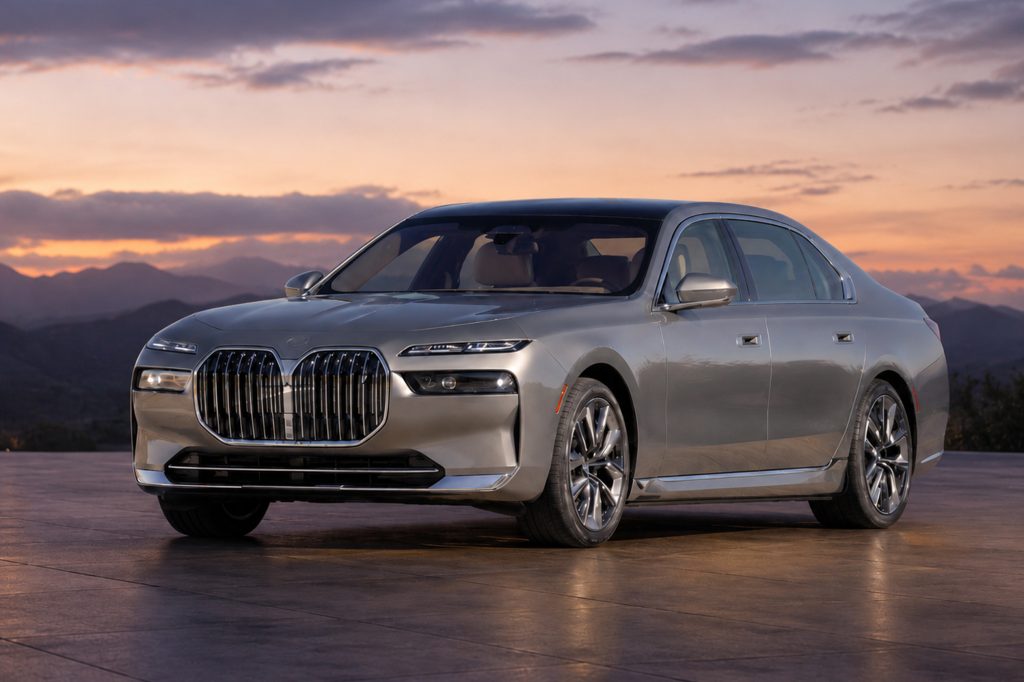
What Armored Convoys in Islamabad Actually Look Like for VIP Transport in Pakistan
The Formation Is Not Random
The first thing to understand about armored convoys in Islamabad is that every vehicle in the formation has a purpose. A properly structured convoy for VIP transport in Pakistan typically includes a point vehicle or advance reconnaissance unit that moves ahead of the main column, scouting traffic conditions and identifying anything unusual before the VIP’s car arrives. Directly ahead of the VIP’s vehicle is a lead car responsible for clearing the path and absorbing first contact with any threat. Behind the VIP sits the protection escort vehicle, which uses blocking tactics to prevent any unknown car from intercepting the convoy from the rear.
For particularly high-profile movements, a quick reaction force vehicle is added to the formation. According to ABA International, decoy vehicles with identical or near-identical profiles to the VIP’s car are also deployed to obscure which vehicle actually carries the VIP. The logic is straightforward: an attacker who cannot identify the right car cannot execute a targeted strike. Four vehicles is generally considered the operational ideal because more vehicles begin to reveal the convoy’s significance to any observer watching from the roadside.
Who Is Actually Inside Each Car
The driver of the VIP’s vehicle is not a regular chauffeur. In professional close-protection operations, the VIP’s driver is trained in tactical and evasive driving, including high-speed obstacle navigation and deliberate blocking maneuvers. A personal protection officer stays physically with the VIP at all times and has one job in the event of a threat: extract the VIP immediately. Other protection officers travel in separate convoy vehicles and maintain visual and radio contact throughout the movement. Every occupant has a clearly defined role before the car moves an inch.
Route Planning Before Every Movement
In professional armored convoy operations, a primary route and at least two alternate routes are mapped before departure. Pre-identified safe zones along each route serve as emergency rally points if the convoy needs to break formation. Intelligence on road conditions, police checkpoints, and potential surveillance of the VIP’s schedule is gathered and assessed before movement begins. In Islamabad, where routes between the diplomatic enclave, the Prime Minister’s Secretariat, and key embassies are predictable and well-known, route variation is considered especially important.
>>Related Post: How to Choose the Right Armoured Vehicle Supplier in 2026
How Armored Convoys in Islamabad Are Built for VIP Transport in Pakistan: Vehicles and Tech
The VIP’s Vehicle: What Is Actually Under the Surface
The vehicle carrying the VIP in any professional armored convoy in Islamabad looks entirely unremarkable from the outside. That is intentional. A properly built armored SUV or sedan for VIP transport in Pakistan is fitted with ballistic steel rated to B6 or above, meaning it can stop high-powered rifle fire. The glass across every window, not just the windshield, is multi-hit resistant ballistic glass certified under EN 1063 standards. This glass does not shatter under repeated fire and does not obstruct the driver’s sightlines. The doors, floor, and roof are all plated. The fuel tank is protected. Nothing critical is left exposed.
The most common platforms for executive and diplomatic convoy use in Islamabad include:
- Toyota Land Cruiser 200/300/79 series for the VIP and escort vehicles, chosen for their ladder-frame durability, proven drivetrain, and wide parts availability across Pakistan
- Armored sedans including BMW 7 Series and Mercedes S-Class for lower-profile urban movements where discretion matters more than bulk
- Chevrolet Suburban-class vehicles for foreign diplomatic delegations that bring their own protection fleet, as seen during recent high-level visits to Islamabad
The armoured SUVs used in Pakistan’s serious VIP movements are not showroom vehicles with a steel plate welded inside. They are engineered rebuilds with reinforced suspension to carry the armour weight, upgraded braking systems calibrated for the added mass, and run-flat tyre systems that allow the vehicle to keep moving at speed even after a tyre is destroyed.
Run-Flat Systems and Why They Matter in a Convoy
If the VIP’s vehicle loses a tyre during a threat engagement and stops moving, the convoy loses its ability to execute the one response that actually saves lives: immediate extraction through speed. Run-flat systems allow an armored vehicle to continue driving at operational speeds for a significant distance after tyre damage, giving the convoy time to reach a safe zone or transfer point. For VIP transport in Pakistan, especially on inter-city routes where the nearest controlled environment may be kilometres away, this is not an optional upgrade. It is a core part of the vehicle’s protection package. You can read more about this in our breakdown of the run-flat system in armoured vehicles.
Surveillance, Communication, and Electronic Systems
Modern armored convoys in Islamabad rely on more than steel and glass. Real-time GPS tracking of all convoy vehicles allows the security operations center to monitor movement and push route changes based on live intelligence. Encrypted radio communication between convoy vehicles ensures that the team can coordinate without interception. For the highest-profile visits, electronic countermeasure systems are integrated into the convoy to neutralize remote-triggered threats. During the recent US Vice President’s visit to Islamabad, the motorcade included ECM jammer trucks alongside armored Chevrolet Suburbans and specialized medical units, reflecting the full-spectrum approach that top-tier VIP protection demands.
360-degree camera systems on the VIP’s vehicle give the protection team visibility around all blind spots without requiring the car to slow down. Intercom systems between the driver and rear compartment allow the protection officer to communicate instructions to the VIP without any external visibility of that exchange. These technology layers are not luxury additions. They are what separate a survivable convoy from one that is simply large and loud.
>>Is your organization’s executive fleet built for Pakistan’s real security environment? Contact AAT ArmourTech todayfor a protection assessment before your next operation.
Why Armored Convoys in Islamabad Are the Future of VIP Transport in Pakistan
The Threat Environment Has Not Stabilized
Islamabad carries a reputation for being Pakistan’s most controlled urban environment. That reputation requires constant qualification. The city hosts diplomatic missions, government ministries, military headquarters, and the residences of senior officials, all of which make it a consistent target environment for surveillance and threat planning. The city recently hosted high-level US-Iran negotiations under tight security, an event that required road closures, multi-agency coordination, and a security apparatus involving hundreds of personnel and dozens of armored vehicles. That level of exposure does not disappear between major events.
Beyond Islamabad, Pakistan’s broader security landscape continues to register serious incidents. The documented risks of armed robbery, kidnapping-for-ransom, and targeted violence against high-value individuals have pushed corporate organizations, diplomatic missions, and NGOs toward treating armored convoy transport not as a special measure but as the standard operating procedure for any significant movement. The Punjab government approved procurement of 20 armoured security vehicles for law enforcement in a move aimed at strengthening public safety, a decision that reflects how seriously institutional actors are treating the ground reality.
The Market Is Moving in One Direction
The investment trends behind armored convoy vehicles are not ambiguous. According to Market Research Future, the armoured civilian vehicles market is projected to grow from USD 3.9 billion in 2025 to USD 7.33 billion by 2035, at a CAGR of 6.5%, driven by rising demand from corporate, diplomatic, and private clients. According to Data Bridge Market Research, the SUV segment held the largest revenue share at 42.8% in 2024, supported by the growing preference for high-performance utility vehicles with enhanced protection capabilities. For Pakistan specifically, where the terrain ranges from dense urban traffic in Islamabad and Karachi to mountain routes in KPK, the SUV-led convoy model makes complete operational sense.
According to Future Market Insights, the ballistic protection market is projected to grow from USD 16.2 billion in 2025 to USD 27.9 billion by 2035, at a CAGR of 5.6%. That growth is not being driven solely by military budgets. A meaningful and rising portion of it reflects private sector and civilian demand from individuals and organizations that have decided they cannot afford to be unprotected.
What the Corporate and Diplomatic Sector Is Doing Differently Now
The executives and diplomats moving through Islamabad in 2026 are not relying on visible police escorts to signal their protection. Many of the most experienced security teams are moving their VIPs in vehicles that look completely ordinary. An armoured sedan carrying B6-rated protection and full ballistic glass does not advertise that a high-value individual is inside. This operational discretion, the ability to move through traffic without drawing attention, is increasingly considered as important as the armour rating itself. The convoy may still exist in the background, with escort vehicles positioned at a distance, but the VIP’s vehicle travels without announcing itself.
For organizations that need the capacity and ground clearance that only a large platform provides, armoured pickup trucks configured for convoy escort and field operations offer a combination of ballistic protection, run-flat mobility, and terrain handling that no sedan can match. The choice between platforms is always a function of the specific route, threat profile, and operational requirement, which is why organizations working in Pakistan are increasingly consulting specialists before they configure their fleet rather than after an incident forces the conversation.
>>Related Post: 5 Best Armoured SUVs in Pakistan
Why AAT ArmourTech Is the Name Pakistan’s Armored Convoys Trust
When it comes to armored convoys in Islamabad and VIP transport in Pakistan, the vehicle is only as good as the team that built it. AAT ArmourTech builds every armored vehicle entirely in-house at their Islamabad facility, which means one team controls every stage of the build from the first steel cut to the final systems check. There are no subcontractors, no split accountability, and no quality gaps that can quietly appear between different workshops. Every vehicle comes with a full documentation pack covering material test logs, certification reports, and ballistic compliance records, giving procurement officers and security directors a paper trail they can actually verify.
From the armoured Toyota Land Cruiser used in VIP and escort positions to discreet armoured sedans built for low-profile daily movement through Islamabad’s streets, every platform is customizable to the exact threat environment, route profile, and operational requirement of the client. Certified to international ballistic standards and backed by lifetime after-sale service, AAT ArmourTech is the manufacturer Pakistan’s most serious convoy operations rely on when the margin for error is zero.
>>Ready to protect your team with a vehicle built for Pakistan’s real conditions? Request a quote from AAT ArmourTech today.
FAQs: Inside the Armored Convoys of Islamabad: How VIPs Actually Travel in Pakistan
1. What is an armored convoy and how does it work for VIP transport in Pakistan?
An armored convoy is a coordinated formation of multiple vehicles designed to transport a high-value individual from one location to another while minimizing the risk of a successful attack. In Pakistan, a standard VIP convoy includes a point vehicle that scouts the route ahead, a lead car that clears traffic immediately in front of the VIP’s vehicle, the VIP’s armored car, and an escort vehicle behind it. Each position has trained personnel with defined roles, and all vehicles maintain encrypted radio communication throughout the movement. The formation is designed so that any threat encounters the outer vehicles before reaching the VIP.
2. What protection rating do VIP vehicles in Islamabad typically carry?
Most professional VIP and diplomatic vehicles operating in Islamabad are built to B6 protection as a minimum standard. B6 means the vehicle can withstand high-powered rifle fire across all armored surfaces, including the doors, roof, floor, and glass. For heads of state, senior diplomats, and the highest-profile individuals, B7 protection is applied, which adds resistance against armor-piercing rounds. The choice of rating depends on the assessed threat level for the specific individual and operational environment.
3. Why do convoys use decoy vehicles?
Decoy vehicles are deployed within or alongside the convoy formation to make it difficult for a potential attacker to identify which vehicle is carrying the VIP. When multiple vehicles in a convoy share the same make, model, color, and configuration, a surveillance operative or attacker watching the convoy from the roadside cannot reliably determine where the VIP is sitting. This forces any planned attack to be less targeted, which reduces its probability of success and allows the protection team more time to respond and extract the VIP.
4. How important is route planning for VIP convoys in Islamabad?
Route planning is considered one of the most critical pre-movement activities in professional convoy operations. Security teams identify a primary route and a minimum of two alternate routes before any movement begins. They also pre-identify safe zones, emergency rally points, and the locations of hospitals and controlled environments along all planned paths. In Islamabad, where diplomatic activity means that certain routes are predictable, route variation is particularly important because predictability creates vulnerability.
5. What vehicles are most commonly used in armored convoys in Pakistan?
The Toyota Land Cruiser is the most widely used platform for VIP and escort vehicles in Pakistani convoys, valued for its ladder-frame construction, proven performance under armour weight, and wide parts availability across the country. For movements requiring operational discretion, armored sedans including BMW and Mercedes-Benz platforms are preferred because they do not visually signal that a high-value individual is inside. Foreign diplomatic delegations typically bring their own armored vehicles, such as Chevrolet Suburbans, as seen during recent high-profile visits to Islamabad.
6. What is the role of run-flat tires in a VIP convoy?
Run-flat tires allow an armored vehicle to continue moving at operational speed even after one or more tires have been damaged or destroyed. In a threat situation, a vehicle that loses mobility becomes a static target. For VIP transport in Pakistan, particularly on routes between cities or in areas where the nearest safe zone may be several kilometres away, the run-flat system is not optional. It is what keeps the VIP’s vehicle mobile long enough for the convoy to reach safety or execute an extraction plan.
7. How do encrypted communications work inside an armored convoy?
All vehicles in a professional armored convoy communicate through encrypted radio systems that prevent interception by outside parties. The convoy commander maintains contact with all vehicle drivers and protection officers simultaneously. The driver of the VIP’s vehicle also communicates directly with the security operations center, which monitors GPS tracking data for all vehicles in real time. In the event of a route change or emerging threat, the operations center can push updated instructions to the convoy without any external party being able to listen in on those communications.
8. Do foreign delegations bring their own armored vehicles to Pakistan?
Yes, major foreign delegations that travel to Pakistan for high-level visits typically transport their own armored vehicles by military cargo aircraft. The armored vehicles are specifically configured to the security standards of the delegation’s home country and pre-fitted with the communication and electronic countermeasure systems that the protection detail requires. During recent diplomatic visits to Islamabad, multiple C-17 cargo aircraft delivered entire motorcades of armored vehicles directly to Pakistani airbases before the delegation’s arrival.
9. How does operational discretion work in modern VIP transport Pakistan?
Operational discretion means moving a high-value individual through an environment without revealing that the person inside the vehicle is a protected target. A discreet convoy may use an armored sedan that looks identical to ordinary executive vehicles on the road, with escort vehicles following at a distance rather than in close visible formation. The fewer visual signals a convoy gives, the less information a potential attacker has to work with. For corporate executives moving through urban Islamabad or Karachi daily, this approach often provides better practical security than an obvious high-profile motorcade.
10. What should an organization consider when building an armored convoy fleet for Pakistan?
The most important factors are the protection rating of each vehicle relative to the specific threat environment, the reliability of the engineering behind the armour build, and the after-sale support available if a vehicle needs repair or maintenance. A convoy vehicle that has been armored with non-certified materials or an inadequate suspension upgrade for the armour weight is a liability, not an asset. Organizations should work with a manufacturer that builds entirely in-house, provides full documentation for every vehicle, and offers a service center capable of handling repairs quickly. In Pakistan, where operational demands are real and timelines are not always predictable, that level of support is what keeps a fleet functional when it is needed most.