
Pakistan’s security environment in 2026 is not a background concern. It is an active, documented, and escalating reality. Armed robbery, carjacking, and kidnapping-for-ransom are no longer confined to conflict zones. They are showing up on urban routes, commercial areas, and roads where ordinary professionals operate every day. For civilians thinking seriously about personal protection, bulletproof cars in Pakistan are a conversation that can no longer wait.
This guide is for the civilian buyer with no military background who understands their risk profile has changed. If you are a business owner, a senior professional, a returning overseas Pakistani, or a field worker in a high-exposure sector, this is what you need to know before you buy.
>>Related Post: Bullet Proof Vehicles for High-Risk Executive Transport in Pakistan
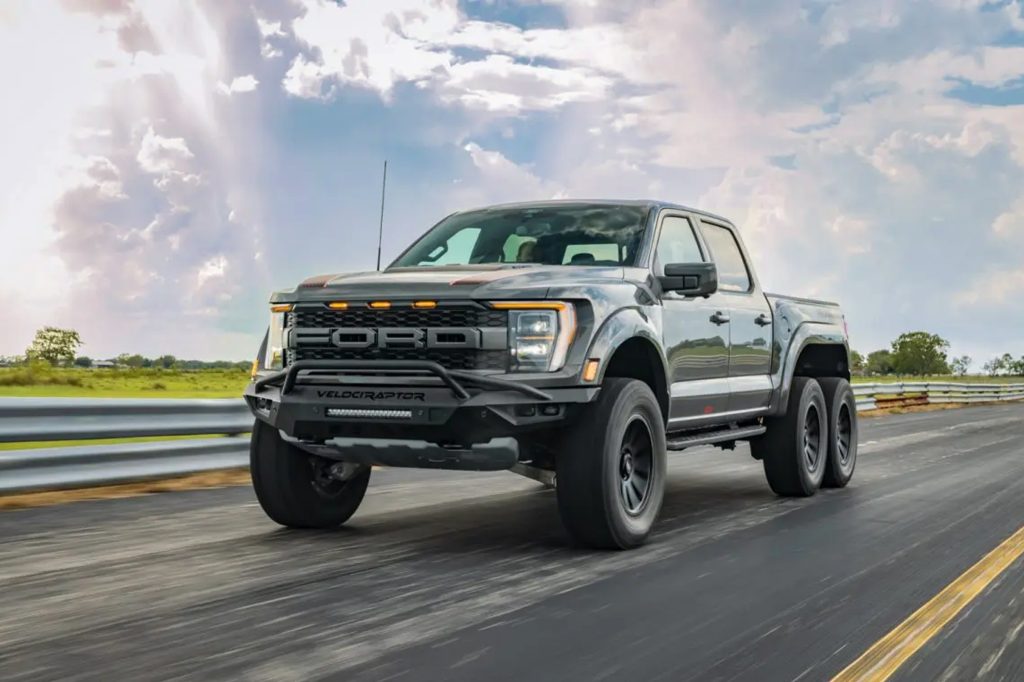
Why Bulletproof Cars in Pakistan Are No Longer Just for the Elite
The Security Numbers Every Civilian Buyer Should Know
The assumption that serious threats only exist in the northwest is wrong. According to PICSS, kidnappings rose by 162% in 2025 compared to 2024, with 215 people abducted in 2025 versus just 82 in 2024. That was the highest single-year figure since 2012. Armed robbery, carjacking, and targeted violence are documented patterns in Karachi, Lahore, and Islamabad. These threats affect professionals, business owners, and NGO staff on a regular basis.
The global market is responding to this reality. According to Market Research Future, the armoured civilian vehicles market is projected to grow from USD 3.9 billion in 2025 to USD 7.33 billion by 2035, at a CAGR of 6.5%. A significant and growing share of that demand comes from private individuals and corporate buyers, not governments.
Who Is Actually Buying Bulletproof Cars in Pakistan Today
The buyer profile has shifted. It is no longer just generals and diplomats. Today’s civilian buyer includes:
- Corporate executives running operations in high-exposure cities
- Business families with assets and public visibility that make them targets
- Overseas Pakistanis returning to manage property or investments
- Field professionals in energy, banking, and humanitarian sectors
- NGO staff moving between urban centers and remote locations
For these buyers, the question is not whether to consider armoured transport. It is how to evaluate it correctly.
>>Is your daily route running through one of Pakistan’s most exposed corridors? Contact AAT ArmourTech for a protection assessment built around your actual threat environment.
What Civilians Must Know When Buying a Bulletproof Car in Pakistan
Protection Ratings: B6 and B7 Explained Simply
B6: The Right Starting Point for Most Civilians
B6 is the standard that stops high-powered rifle fire across all panels and glass. For most civilians buying bulletproof cars in Pakistan, B6 is the minimum credible level of protection. It covers the threats most commonly encountered in corporate and civilian security environments. Any supplier who cannot provide verified documentation confirming B6 compliance should not be trusted with the order.
B7: When the Threat Profile Justifies It
B7 resists armour-piercing rounds that B6 does not cover. It is typically specified for senior government officials, diplomats, and principals facing well-resourced threat actors. Most civilian buyers do not need B7. Specifying it without a genuine threat assessment adds significant cost without a proportionate security benefit.
The Five Components That Decide Whether a Bulletproof Car Performs
Most civilian buyers evaluate a vehicle on appearance or verbal claims. That is the most dangerous mistake you can make. Five specific components determine whether a build performs when it actually counts:
- Run-Flat Tyre System: Keeps the vehicle moving at operational speed after tyre damage. Immobility in a threat scenario is a life-or-death condition.
- Reinforced Suspension: Armour adds hundreds of kilograms. Without a purpose-built suspension, the vehicle becomes uncontrollable under emergency handling.
- Upgraded Braking System: Additional weight means longer stopping distances. Factory brakes do not compensate for that. The system must be specifically rebuilt.
- Multi-Hit Resistant Ballistic Glass: Must cover every window, not just the windscreen. A build that compromises on any pane is not a certified build.
- GPS and Surveillance Systems: Real-time route monitoring allows security teams to identify threats before an engagement begins, not after.
Why Documentation Is the Only Proof That Counts
When buying a bulletproof car in Pakistan, the single most important thing a civilian buyer can do is insist on full documentation before taking delivery. This means independent test logs for the ballistic glass, third-party certification reports for the ballistic steel, and a complete material record for every protective component in the build. A supplier who hesitates or deflects when asked for this paperwork is telling you something important about the build. A legitimate supplier provides this documentation without being asked twice, because their entire credibility is based on it.
>>Related Post: How to Choose the Right Armoured Vehicle Supplier in 2026
The Right Platforms for Bullet Proof Cars in Islamabad and Beyond
How to Match the Vehicle to the Actual Mission
Civilian buyers frequently approach this decision the wrong way. They pick the vehicle that impresses them visually or that carries the most recognizable brand name, rather than the one that is actually suited to how they move, where they move, and what they are protecting against. The platform selection should be driven by the operational profile, not by brand preference.
Armoured Sedans: The Right Call for Urban Discretion in Islamabad and Karachi
For civilians who operate daily in Karachi, Lahore, or Islamabad and whose primary requirement is personal protection without drawing attention, an armoured sedan is the most operationally intelligent choice. A Toyota Camry or BMW carrying full B6 protection is visually indistinguishable from any other executive vehicle moving through city traffic. That invisibility is not a secondary benefit. It is a primary security advantage. When a vehicle does not signal that a protected principal is inside, it does not attract the attention of individuals who are looking for exactly that signal. For bullet proof cars in Islamabad specifically, where executive traffic is dense and visibility is a liability, the armoured sedan is the format that makes the most strategic sense.
Armoured SUVs: When Capacity, Terrain, and Route Demand More
For civilians who require the capacity to move multiple passengers, who travel inter-city routes, or whose operations take them outside urban centers into terrain that demands ground clearance and structural strength, an armoured SUV is the appropriate platform. The Toyota Land Cruiser and Land Cruiser Prado are the most widely deployed platforms in this category for very specific reasons. Their ladder-frame construction handles the additional weight of B6 and B7 armouring without compromising structural integrity. Their drivetrains are proven across Pakistan’s most demanding terrain. Parts availability across the country is unmatched by any alternative. For a civilian buyer running inter-city operations or managing personnel across multiple locations, these are the platforms that deliver protection without operational limitations.
Armoured Pickup Trucks: For Field Operations and Remote Environments
Civilians working in sectors like energy, construction, agriculture, or humanitarian operations and moving through remote or high-risk terrain should evaluate armoured pickup trucks rather than standard executive platforms. The Toyota Hilux, built on a ladder-frame that distributes armour weight effectively, is the most widely trusted field platform in Pakistan. It handles conditions that stop a sedan or standard SUV, carries equipment alongside personnel, and is supported by a parts network that extends to locations far outside urban centers. For a civilian NGO worker or energy sector professional operating in Balochistan, KP, or remote Punjab, this is the platform that matches the actual operational reality.
>>Related Post: 5 Best Armoured Sedans in Pakistan
Why In-House Manufacturing Changes Everything
One of the most important distinctions a civilian buyer needs to understand when evaluating bulletproof cars in Pakistan is the difference between in-house manufacturing and outsourced builds. A supplier who controls every stage of the armouring process under one roof maintains complete accountability for the finished vehicle. When components or stages of the build are subcontracted to third parties, that accountability is distributed in a way that protects the supplier rather than the buyer. For a vehicle whose failure has life-or-death consequences, distributed accountability is not an acceptable arrangement.
According to CRSS, Pakistan recorded over a 25% surge in overall violence during the first eleven months of 2025 compared to the entirety of 2024. In an environment moving in that direction, the margin for error in armoured vehicle procurement is zero. The supplier behind the build matters as much as the vehicle itself, and in-house manufacturing is the single most reliable indicator of a supplier who takes that responsibility seriously.
After-Sale Support: The Part Most Civilians Forget to Ask About
Buying a bulletproof car in Pakistan does not end at delivery. An armoured vehicle requires specialised maintenance from technicians who understand the specific components of the build. The after-sale service arrangement with your supplier should be clear, documented, and backed by a structured warranty before you take delivery. A supplier who does not offer transparent post-delivery support is telling you that their accountability ends the moment the vehicle leaves their facility. That is not a relationship to build your personal security on.
>>Ready to have a proper conversation about buying bulletproof cars in Pakistan for your specific situation? Talk to AAT ArmourTech today and get a tailored recommendation based on your route profile and threat level.
Why AAT ArmourTech Builds the Most Trusted Bulletproof Cars in Pakistan
AAT ArmourTech designs and builds every vehicle entirely in-house at their Islamabad facility, from the first stage of engineering through to ballistic testing and final delivery. No subcontractors, no split accountability, no corners that can be quietly cut by a third party. Every build is certified to CEN 1063 and CEN 1522 standards, covering ballistic glass to B7 and ballistic steel to FB6 and above. For buyers who need underbody blast protection, STANAG 4569 compliance is available and fully documented.
Their fleet covers the complete range of civilian and institutional requirements, from discreet armoured sedans for daily urban transport to Land Cruiser-based SUVs for convoy and inter-city operations, and Hilux-based field platforms for remote terrain. Every build is customisable to the buyer’s exact route profile, threat level, and operational requirements, and every delivery includes a full documentation pack alongside lifetime after-sale service support. For a civilian buyer making this investment for the first time, that combination of verified certification, transparent build process, and long-term support is exactly what makes the difference between a bulletproof car that protects you and one that simply looks like it does.
>>Your safety should not rest on a verbal assurance. Contact AAT ArmourTech and get a verified, documented build designed for your exact threat environment.
FAQs
1. Are bulletproof cars in Pakistan legal for civilians to own?
Yes, civilian ownership of armoured vehicles is fully legal in Pakistan. There is no blanket prohibition on a private individual or business purchasing and operating one. Usage regulations and documentation requirements can vary by province and vehicle category, so confirm all compliance requirements with your supplier before taking delivery. This ensures there are no regulatory surprises after the purchase is complete.
2. How much does buying a bulletproof car in Pakistan typically cost?
Cost varies significantly based on the vehicle platform, protection level, and degree of customisation. An entry-level B6 sedan build will cost considerably less than a fully specified B7 Land Cruiser with surveillance systems and run-flat technology. The more useful framing is the cost relative to the risk being mitigated, not the price of a standard vehicle. Always request a detailed specification sheet alongside pricing so you understand exactly what you are paying for.
3. What is the difference between B6 and B7 protection?
B6 is certified to stop high-powered rifle fire across all panels and glass, covering the threat profile faced by most civilian buyers in Pakistan. B7 goes further and resists armour-piercing rounds, typically required by government officials and diplomats facing well-resourced threat actors. Most civilians buying bulletproof cars in Pakistan will find B6 more than adequate. Specifying B7 without a genuine threat assessment adds significant cost without a proportionate security return.
4. How do I verify that a bulletproof car in Pakistan is genuinely certified?
Verification comes down entirely to documentation. A legitimately certified build includes independent test logs for the ballistic glass, third-party certification reports for the ballistic steel, and a full material record for every protective component. These documents must be available before delivery, not after. If a supplier cannot produce them on request, the vehicle is not certified regardless of what their marketing materials claim. Never accept a verbal assurance in place of independently verified written certification.
5. What are the best platforms for bullet proof cars in Islamabad?
For daily urban commuting in Islamabad, an armoured sedan such as the Toyota Camry or BMW is the strongest operational choice because it blends into executive traffic without drawing attention. For inter-city routes from Islamabad or higher-capacity transport requirements, the Toyota Land Cruiser or Prado offers proven structural strength and terrain capability. The right platform is always the one that matches your actual movement pattern and threat profile.
6. Does armouring a vehicle affect its performance and fuel efficiency?
Yes, and any supplier who says otherwise is not being straight with you. Armour adds significant weight, which affects fuel consumption, acceleration, and handling. A properly engineered build compensates through upgraded suspension, upgraded braking, and appropriate drivetrain calibration. The goal is safe and reliable drivability with certified protection, not a match for standard vehicle performance, which is physically impossible in a fully armoured build. A well-built armoured vehicle is still entirely practical for daily use.
7. How long does it take to build and receive a bulletproof car in Pakistan?
A standard build takes between four and eight weeks from order confirmation to delivery. Custom configurations with additional features such as blast-resistant underbody protection, advanced surveillance systems, or specialised interiors extend this timeline considerably. Buyers with fixed operational start dates or specific travel schedules should factor this lead time into planning well in advance. Treating armoured vehicle procurement as a last-minute purchase is one of the most common and most avoidable mistakes civilian buyers make.
8. Can I customise a bulletproof car in Pakistan for my specific needs?
Yes, and customisation is one of the most important advantages of working with a capable supplier. Protection level, run-flat tyre specification, suspension and brake upgrades, GPS and surveillance systems, interior layout, and underbody blast protection can all be tailored to your actual operational profile. A supplier with genuine engineering capability will help you configure a vehicle around your specific routes, threats, and usage patterns. A standard package that does not account for your actual situation is never the right answer when personal safety is involved.
9. Is renting a bulletproof car in Pakistan a viable option?
Yes. For individuals or organisations with short-term or situational security requirements, renting an armoured vehicle is a practical and available option in Pakistan. It is appropriate for visiting executives, short-term project deployments, or organisations needing protected transport for a specific operational period. Renting also gives first-time buyers the opportunity to evaluate platforms and protection levels before committing to a full purchase, which is a sensible approach for anyone still assessing their long-term security requirements.
10. Why should I choose AAT ArmourTech when buying a bulletproof car in Pakistan?
AAT ArmourTech builds entirely in-house at their Islamabad facility with no subcontractors and complete accountability for every build. Every vehicle is certified to CEN 1063, CEN 1522, and UL 752 standards, with a full documentation pack delivered alongside every vehicle. Their fleet covers armoured sedans, SUVs, pickup trucks, law enforcement vehicles, and cash-in-transit platforms, all customisable to the buyer’s exact threat profile. Lifetime after-sale maintenance support means the supplier relationship continues well beyond delivery, which is exactly what a civilian buyer investing in personal protection for the first time deserves.