
Most people assume bulletproof glass is just thicker glass, but that assumption gets people killed in the wrong vehicle. Understanding how bulletproof glass works means understanding it as a system of bonded layers, not a single material doing all the work. This breakdown walks through what actually happens inside a pane of ballistic glass, how BR6/B6 protection levels are rated, and why installation matters as much as the material itself.
>>Related Post: What Makes a Car Truly Bulletproof? Process for Pakistani Buyers
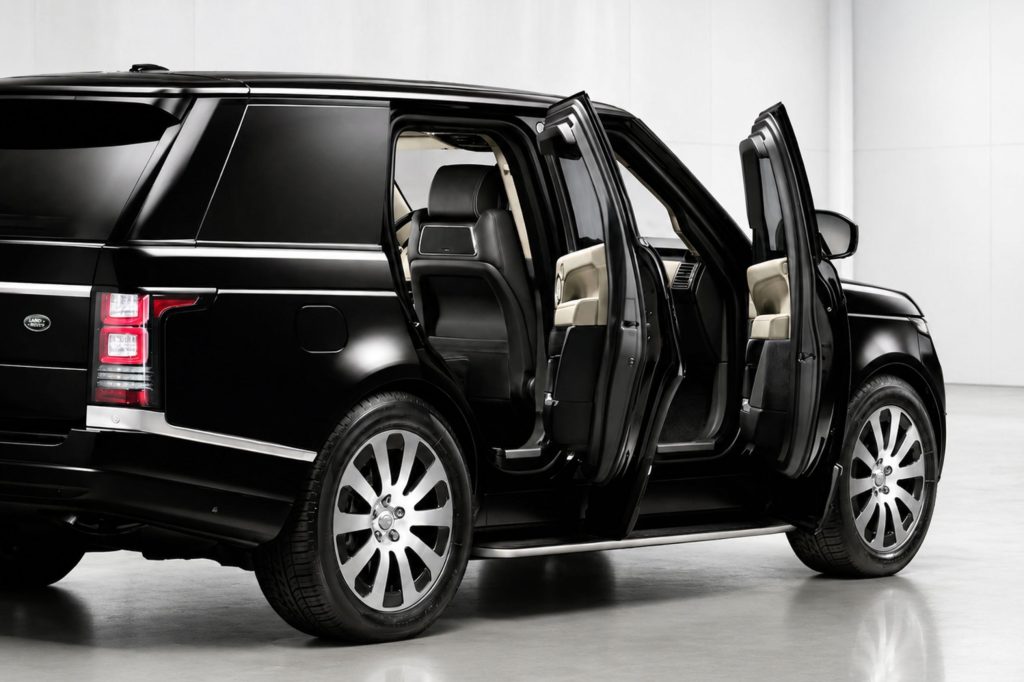
How Bulletproof Glass Is Built: A Layer-by-Layer Breakdown
Bulletproof glass is never a single sheet. It is a laminated stack of hard and soft materials bonded together under heat and pressure, with each layer performing a distinct job when a round hits the surface. The combination is what allows the glass to stay transparent while absorbing energy that would shatter ordinary glass instantly.
1. The Hard Outer Layer
The outermost layer is typically tempered or annealed glass, chosen for its hardness rather than its flexibility. Its job is to begin deforming the bullet on impact, flattening the tip and reducing its ability to penetrate cleanly. This layer takes the brunt of the initial strike, which is why it is often the first to show visible cracking even when the round never makes it through.
2. The Interlayer That Absorbs Impact
Beneath the outer glass sits a polycarbonate or polyvinyl butyral interlayer, and this is where most of the actual protection happens. This layer flexes instead of shattering, spreading the bullet’s energy sideways across a wider surface area rather than letting it concentrate at a single point. Armoured vehicle windows typically use several of these interlayers stacked together, with the exact number determined by the protection level being targeted.
3. The Inner Layer and Spall Liner
The innermost layer often includes a spall liner, a thin film designed to catch fragments of glass or bullet material that break loose on the interior side even when the round itself is stopped. Without this liner, a stopped bullet can still injure occupants through flying glass shards. This is a detail buyers frequently overlook when comparing suppliers on price alone.
Fortune Business Insights projects that the global bulletproof glass market will reach USD 24.69 billion by 2034, growing at a compound annual rate of 10.60 percent, reflecting how rapidly demand for properly engineered glass systems is scaling worldwide.
>>Want to see how these layers come together in a certified build? Contact AAT ArmourTech to discuss your specifications.
Ballistic Glass Explained: How BR6/B6 Protection Levels Are Rated
Ballistic glass explained simply comes down to a testing standard, not a marketing claim. Manufacturers do not get to decide what counts as bulletproof. Independent bodies fire specific ammunition types at the glass under controlled conditions, and the result determines which protection level the glass is legally allowed to claim.
What BR6 and B6 Actually Mean
BR6/B6 glass protection is certified to stop 7.62x51mm rifle rounds, the same ammunition class fired from an AK-47 and similar platforms. This is the benchmark most corporate and civilian security buyers in Pakistan request, since it covers the threat profile they are most likely to encounter. Ratings below this level are generally built to stop handgun rounds only, which is a very different threat category.
How Thickness Changes With Protection Level
As protection level increases, both the number of laminated layers and the overall glass thickness increase with it. A B6 windshield can run considerably thicker than standard automotive glass, which changes how it needs to be seated and sealed within the frame. Buyers comparing quotes should always ask which specific standard the glass is certified against, since terms like bulletproof and ballistic get used loosely across the industry.
>>Related Post: B6 vs B7 Armouring: Which Protection Do You Need?
Bulletproof Glass in Armoured Vehicle Windows: Why Installation Matters
Even correctly rated bulletproof glass fails if it is not installed properly. The glass and the surrounding steel frame need to function as a single sealed unit, because a gap between them becomes the weakest point in the entire vehicle regardless of how strong the glass itself is.
Fitting Glass to the Frame Without Weak Points
Armoured vehicle windows need to be cut and sealed to match the original frame tolerances of the vehicle rather than forced into a generic opening. A poor fit leaves small gaps around the edges where rounds can find a path around the glass instead of through it. This is one of the reasons in-house manufacturers who control both the armoured SUVs build and the glass fitting tend to produce more reliable results than suppliers who outsource either stage.
Why Mismatched Glass and Steel Cause Failures
Glass rated to one protection level paired with steel rated to a different level creates an inconsistent envelope around the vehicle, and inconsistency is exactly what a properly aimed attack looks for. A vehicle is only as protected as its weakest certified component. This is why credible builds test glass and steel together rather than certifying each in isolation, a process covered in more detail through AAT ArmourTech’s ballistic testing procedures.
SkyQuest research values the global bulletproof glass market at USD 27.38 billion by 2032, growing at a 13.6 percent compound annual rate, with automotive and defence applications driving a significant share of that growth.
>>Related Post: Bulletproof Cars in Pakistan: What Civilians Need to Know Before Buying
Common Myths About How Bulletproof Glass Works
A lot of misinformation circulates around bulletproof glass, and some of it leads buyers to make genuinely dangerous assumptions. Clearing up a few common myths makes it easier to evaluate suppliers honestly.
Myth: Thicker Glass Always Means Safer
Thickness matters, but only when paired with the correct layer composition and bonding quality. A poorly laminated thick pane can underperform a properly engineered thinner one built to the same protection standard. This is why certification testing matters more than a tape measure.
Myth: Bulletproof Glass Is Fully Bulletproof
No certified glass claims to stop every possible threat. Each protection level is rated against specific ammunition types, and a B6 pane is not tested or guaranteed against the armor piercing rounds that B7 is built to defeat. Buyers need to match the rating to their actual threat profile rather than assuming the word bulletproof covers everything.
>>Related Post: Armoured Toyota Hilux Revo: Best Upgrade Options for Security
Why AAT ArmourTech Delivers Certified Bulletproof Glass in Every Build
AAT ArmourTech fits every vehicle with bulletproof glass tested and certified to CEN 1063 standards, with the glass and ballistic steel engineered together rather than sourced and fitted separately. Because every build happens in-house at the company’s Islamabad facility, there is no handoff between a steel supplier and a glass installer where tolerances can drift.
Every delivery includes documentation showing exactly which protection level the glass is rated to, so buyers are never left guessing what they actually paid for. Whether the requirement is BR6/B6 glass protection for a corporate SUV or a higher rated build for a government platform, AAT ArmourTech matches the glass specification to the steel specification on every single vehicle.
>>Ready to specify the right glass protection for your build? Contact AAT ArmourTech today.
FAQs: How Bulletproof Glass Works
1. What is bulletproof glass actually made of?
Bulletproof glass is a laminated combination of hard outer glass, a flexible polycarbonate or PVB interlayer, and often an inner spall liner. Each layer serves a different purpose, from initial impact deformation to energy absorption to catching fragments on the interior side. The layers are bonded together under heat and pressure to form a single functional unit rather than stacked loosely.
2. How does bulletproof glass actually stop a bullet?
The outer hard layer begins deforming the bullet on contact, while the softer interlayers absorb and disperse the remaining energy across a wider area instead of letting it concentrate at one point. This combination slows and eventually stops the round before it can pass through. The process happens in a fraction of a second but depends entirely on how well the layers are bonded.
3. What does BR6/B6 glass protection mean?
BR6/B6 is a certification level confirming the glass has been independently tested to stop 7.62x51mm rifle rounds, the type fired from an AK-47 and comparable weapons. It is the most commonly requested standard for corporate and civilian security vehicles in Pakistan. Ratings are assigned only after controlled ballistic testing, not based on manufacturer claims.
4. Is thicker bulletproof glass always better protection?
Not necessarily. Protection depends on the correct combination of layer materials and proper bonding as much as raw thickness. A well-engineered pane built to a specific standard can outperform a thicker pane with inferior lamination, which is why certification matters more than visual thickness.
5. Can bulletproof glass stop every type of bullet?
No single glass rating covers every threat. Each protection level, from lower handgun ratings up through B6 and B7, is tested against specific ammunition types. Buyers need to select the rating that matches their actual threat environment rather than assuming any bulletproof glass covers all scenarios.
6. Why do armoured vehicle windows need custom fitting?
Armoured vehicle windows must be cut and sealed to match the exact frame tolerances of the vehicle they are installed in. A poor fit leaves gaps at the edges that compromise the entire protection envelope, regardless of how strong the glass itself is rated. Custom fitting is one of the most overlooked factors in build quality.
7. What is a spall liner and why does it matter?
A spall liner is a thin film applied to the interior side of bulletproof glass that catches fragments released when a round impacts the surface, even if the round itself is stopped. Without it, occupants can still be injured by flying glass or fragment debris. It is a standard feature in properly certified builds.
8. Does bulletproof glass affect visibility while driving?
Certified bulletproof glass is engineered to maintain clear optical quality despite its added layers and thickness. Reputable manufacturers test for distortion and clarity alongside ballistic performance. Poorly made glass can introduce visible waviness, which is a sign of lower build quality.
9. How can I verify that bulletproof glass meets its claimed protection level?
Ask for independent test certification documenting the specific standard the glass was tested against, such as CEN 1063 for BR6/B6 protection. A credible supplier will provide this without hesitation. Glass sold without certification paperwork should not be trusted regardless of what the seller claims.
10. Why does AAT ArmourTech control both glass and steel in its builds?
Building glass and ballistic steel together in-house ensures both components are matched to the same protection level and tested as a single system rather than certified separately. This eliminates the gaps and tolerance mismatches that occur when glass and steel come from different suppliers. It is a key reason AAT ArmourTech’s builds hold consistent protection across every panel and window.